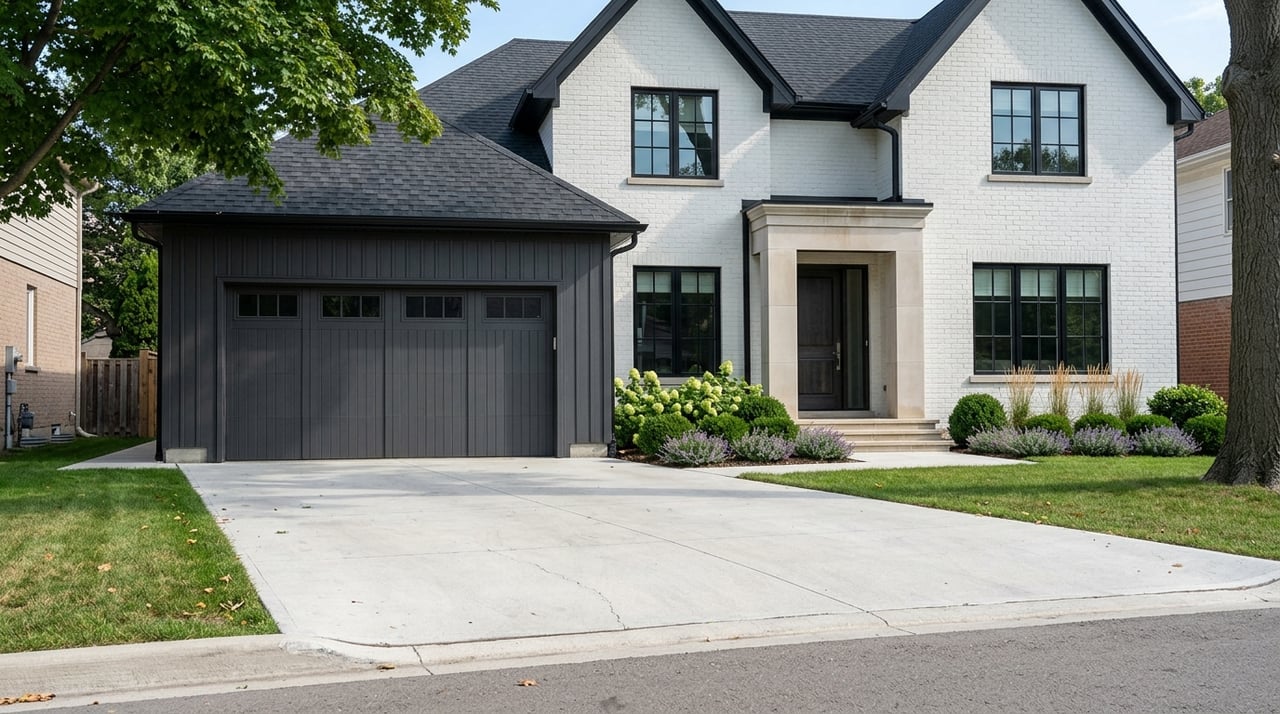
Should you buy or sell first when moving up in Downers Grove?
The right choice depends on your equity, financing, and risk tolerance. In a competitive Downers Grove market, buying first can strengthen your offer, while selling first gives you clearer budgeting and lower financial exposure.
If you are trying to move up in Downers Grove, the biggest question may not be where you want to go next. It may be whether you should buy first or sell first. That choice affects your budget, your negotiating power, and how much stress you carry during the process. In a market where inventory is limited and well-priced homes can move quickly, having the right plan matters.
Why This Decision Matters in Downers Grove
Downers Grove remains a competitive, inventory-sensitive market by several key measures. Through May 2026, the median sold price for detached single-family homes was $585,000, with homes moving quickly and many still drawing multiple offers. Illinois REALTORS has also reported lower single-family inventory across the Chicago metro area and shorter market times year over year.
For you as a move-up buyer, that creates a real balancing act. Your current home may sell well if it is priced and presented properly, but your next purchase may be harder to secure if your offer depends on selling first. In other words, selling can be easier than buying, even when both happen in the same market.
Buy First: When It Can Make Sense
Buying first usually works best when you have enough equity, savings, or financing flexibility to move without relying on a sale contingency. This can give you more control over timing and let you search for your next home without the pressure of already being out of your current one.
That matters in Downers Grove because competitive listings may favor clean offers. If you can buy before your current home closes, you may be able to compete more strongly against buyers with fewer moving parts.
If you buy first, you may gain a few practical advantages:
- You can move on your own timeline
- You do not have to rush into the next purchase
- You may avoid temporary housing
- Your offer may look stronger if it does not depend on selling your current home first
For many move-up households, the emotional benefit is just as important. You can focus on finding the right fit instead of racing a closing clock.
The Risks of Buying First
The biggest risk is carrying cost. Your lender may require documentation showing you can handle payments on the new home, the current home, and any temporary financing, along with your other monthly obligations.
That means buying first is not simply a question of home equity. It is also a question of cash flow, underwriting, and what happens if your current home takes longer to sell than expected.
A bridge loan, sometimes called swing financing, is temporary financing that is typically paid off with proceeds from the sale of your existing home. It can help you buy without making the purchase contingent on your current sale. This can be useful in a fast-moving market, but it is not a casual decision. You need to understand the added costs, the qualification standards, and your backup plan if timelines shift.
Sell First: When It Can Be the Smarter Path
Selling first is still the more common and often more conservative route. It gives you a clearer picture of your available proceeds, your monthly budget, and how much you can comfortably spend on the next home.
That clarity matters. Many move-up buyers use proceeds from their current home sale to fund the next purchase, and having those funds in hand can simplify both planning and decision-making.
Selling first can reduce uncertainty in a few important ways:
- You know your actual net proceeds instead of estimating them
- You can shop with a firmer budget
- You may reduce the risk of carrying two housing payments
- Your financing picture may be cleaner and easier to manage
If you are watching monthly costs carefully, this approach often provides the most financial control.
The obvious downside is timing. If your home sells before you secure the next one, you may need a short-term solution between closings. That could mean negotiating a rent-back after closing, arranging a temporary rental, or trying to line up both transactions very tightly. None of those options are impossible, but they do require planning.
Hybrid Options That Can Help
For many Downers Grove homeowners, the answer is not purely buy first or sell first. A hybrid strategy can create flexibility while keeping risk manageable.
A home-sale contingency gives you time to sell your current home before moving forward on the new one. A home-close contingency gives you time to close your current sale before completing the purchase. These tools can protect you, but in a competitive market they can also weaken your offer. Sellers may continue showing their home, include a kick-out clause, or require specific deadlines for your contingency to be satisfied.
A rent-back allows you to sell your current home and stay in it for an agreed period after closing. This can give you breathing room to complete the purchase of your next home without moving twice. For many move-up sellers, this is one of the cleanest ways to sell first while avoiding a rushed transition. The key is to negotiate the timing, occupancy terms, and any rental compensation clearly.
If the dates simply do not line up, a short-term rental can serve as a practical backup plan. This may not be your first choice, but it can give you flexibility and remove pressure from both transactions. As a rough benchmark, Zillow reported average rent in Downers Grove at $2,334 per month as of May 31, 2026. If you are considering this route, it helps to build that possible cost into your move-up budget early.
How to Decide Which Path Fits You
The right answer depends less on theory and more on your numbers, timing, and comfort with risk. Before choosing a path, it helps to work through a few core questions.
First, how much net equity will you actually have? Start with a realistic estimate of what your current home could sell for in today's market. Then subtract likely selling costs, possible prep work, closing costs, and moving expenses. That net figure is what really matters. It helps determine down payment options, reserves, and how much flexibility you have if you buy before you sell.
Second, can you qualify for the next purchase now? A lender can help you understand whether you qualify for the next home with your current obligations still in place. This is especially important if you are considering bridge financing or carrying two homes at once. A strong preapproval also helps you act faster when the right property comes on the market.
Third, could you carry two payments if needed? Even if your plan is tight and well organized, delays happen. A closing can move, a listing can take longer than expected, or a repair issue can change the timeline. If carrying two payments for a short period would create major stress, selling first may be the safer route.
Fourth, what is your backup plan? Every move-up plan needs a Plan B. That might be a rent-back, a temporary rental, or a contingency structure with clear deadlines. The smoother transactions tend to be the ones where the backup plan is built before anyone needs it.
A Practical Move-Up Sequence
If you are trying to map out your next steps, this simple sequence can help:
- Get preapproved for the next purchase
- Estimate your current home's likely sale price and net proceeds
- Decide whether you need to sell before buying, or whether you can buy first
- Choose the strategy that fits your finances and risk tolerance
- Line up your timing solution, such as a contingent offer, rent-back, temporary rental, or coordinated closing
This kind of planning does not remove every surprise, but it does make the process more manageable.
What Often Makes the Most Sense in Downers Grove
In today's Downers Grove market, many move-up buyers need flexibility more than a one-size-fits-all answer. Limited inventory and competitive buying conditions can make weak contingencies harder to win with, while strong home values may give current owners meaningful equity to work with.
That usually means your best path depends on how strong your finances are and how much transition risk you are willing to absorb. If you have the reserves or financing to buy without leaning on a sale contingency, buying first may improve your chances on the purchase side. If you want budget clarity and lower financial exposure, selling first may be the better move.
The good news is that you do not have to guess your way through it. A well-built move-up plan should look at your equity, timing, negotiating position, and fallback options together.
Frequently Asked Questions
Should Downers Grove move-up buyers buy first or sell first?
It depends on your equity, savings, financing, and risk tolerance. In a competitive Downers Grove market, buying first can strengthen your offer, while selling first can give you clearer budgeting and less financial exposure.
Are home sale contingencies risky in Downers Grove?
They can protect you, but they may make your offer less competitive when inventory is limited and sellers have stronger options.
What is a bridge loan for a move-up home purchase?
A bridge loan is temporary financing that can help you buy your next home before your current home sells, with the loan typically paid off from the sale proceeds.
Can a Downers Grove seller stay in the home after closing?
Yes. A rent-back arrangement can allow you to remain in your home for an agreed period after closing if both sides negotiate the terms clearly.
What if I sell my Downers Grove home before finding the next one?
You may need a short-term solution such as a rent-back, a temporary rental, or carefully coordinated closings to bridge the gap.
If you are weighing whether to buy first or sell first in Downers Grove, a personalized strategy makes the entire process feel much more manageable. Call or text Rob Brannigan at 847.609.0570 or visit robbrannigan.com for a plan built around your timeline, budget, and next move.
Written by Rob Brannigan (IL License #475.164040), RENE + SRS. Lifelong Downers Grove resident. Data-driven guidance for sellers and buyers in Downers Grove and surrounding communities.